

When I was working overseas, every payday had a plan. I set aside specific amounts for investments, savings, my emergency fund, and my mom’s monthly allowance. I made sure there was enough for weekly food and household expenses. And yes, I always made room for eating out as a reward for my hard work.
Back then, my husband was also earning, and we didn’t have our son, Zander, yet. Life is different now, and so is our budget.
If budgeting feels restrictive, or your plan falls apart after a few weeks, you’re not alone in finding it hard. Learning how to make a budget that works starts with being honest about the life you have today.
What Our Budget Looks Like Now
I no longer have a stable income, and neither does my husband, who works on the farm. That makes budgeting challenging.
When money comes in, we pay our bills first and set aside money for food. What remains goes toward our savings and emergency fund, although there are times when we can’t set anything aside.
I’ve also had to pause some of my previous financial commitments. So far, I’d say we’ve never had a month when we didn’t have enough.
And when we make more than usual, we treat Zander to a trip to the playground, his favorite place, and to his favorite ice cream.
What Does It Mean to Have a Budget That Works?
A budget is a plan for your money. To create a realistic budget, make sure it covers your needs, prepares you for surprises, and reflects what matters to you. It also has to be flexible enough to follow when circumstances change.
How to Make a Budget That Works, Step by Step
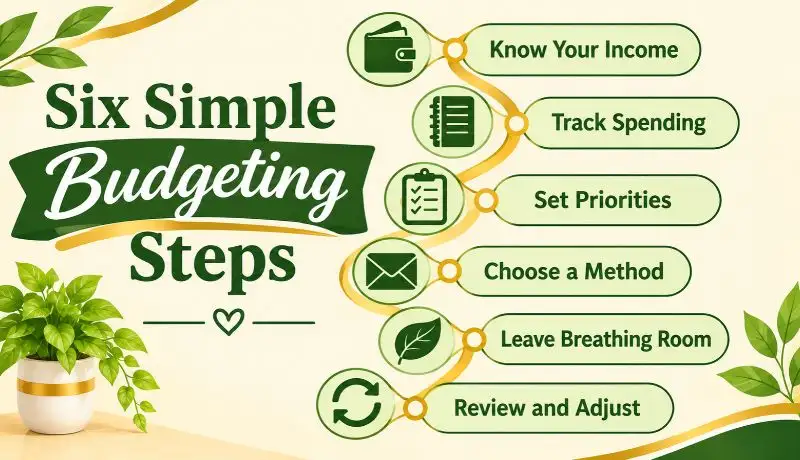
You don’t need complicated software. A notebook, spreadsheet, or budgeting app is enough.
1. Know What You Have to Work With
If you receive a regular salary, start with your take-home pay and any other income.
If your income changes, don’t plan around your best month. Use a conservative estimate based on a lower-income month or budget each amount as it arrives. Either way, you’re planning with money you can count on.
2. See Where Your Money Goes
For a few weeks, write down everything you spend, including snacks and other small purchases. Then sort it into two groups:
- Essentials: food, housing, utilities, transportation, healthcare, insurance, and minimum debt payments
- Nonessentials: dining out, entertainment, hobbies, shopping for extras, and subscriptions
This isn’t about judging yourself, but about seeing your habits clearly. Remember costs that don’t come monthly, such as school expenses, repairs, and annual fees.
3. Decide What Comes First
Give your money an order of priority. Ours is bills and food first, then savings and our emergency fund with what remains.
Your list might include debt, family support, or investing. It can also change. Pausing a goal for a season can be part of an honest budget. Your priorities will change as your life changes.
4. Choose a Method That Suits You
- 50/30/20: Put 50% of after-tax income toward needs, 30% toward wants, and 20% toward savings and debt repayment. It’s simple, but the percentages may be hard to follow if your income changes or your needs take more than half.
- Zero-based: Give every peso a job, including savings, until nothing is left unassigned. It works well if you like knowing where everything goes.
- Envelope: Divide money by purpose, using cash envelopes or separate accounts. It’s similar to how I set money aside while working overseas.
You don’t have to follow any method perfectly. Pick what makes managing money easier.
5. Give Your Budget Breathing Room
When you can, set money aside for irregular costs so every repair or celebration doesn’t come out of your emergency fund. An emergency fund is best reserved for genuinely unexpected and urgent expenses, rather than predictable costs you can plan for.
In better months, consider keeping some of the extra for slower ones.
Make room for joy, too. A treat can be part of the plan without taking over it.
6. Review and Adjust
Check your budget weekly, monthly, or whenever money comes in. Ask yourself:
- Did we cover our bills and food?
- Did we overlook any expenses?
- Could we set anything aside?
- Do our priorities still make sense?
Use your answers to plan what comes next.
You can also make this a regular habit by setting aside time to review your financial goals and check your progress.
When Your Budget Doesn’t Go to Plan
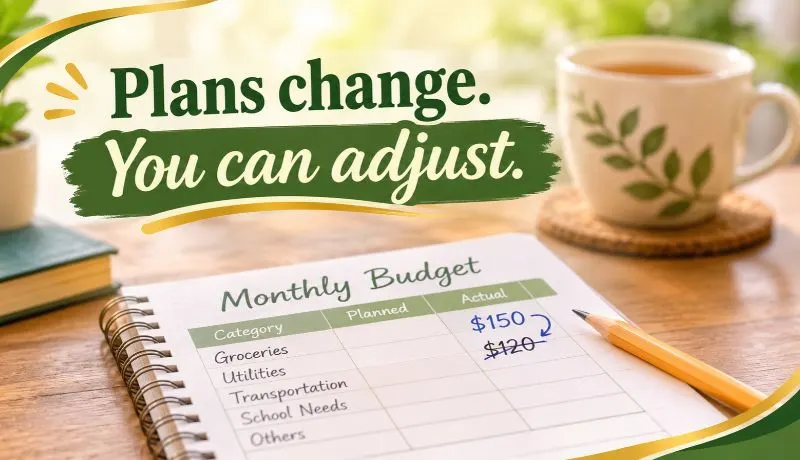
A difficult month doesn’t mean you’ve failed. Here’s how to stick to a budget without making it too tight:
- Be realistic. Base your limits on what you actually spend, then adjust gradually.
- Save in a way that fits your income. Automatic transfers can help with regular pay. If income varies, move money after it arrives and essentials are covered.
- Talk as a family. If you share expenses, agree on what comes first.
- Skip the comparisons. Someone else’s budget reflects their income and responsibilities, not yours.
- Start again. Look at what happened, make one change, and continue.
Key Takeaway
- Plan around the money you can count on, especially if your income changes.
- Put your essentials first.
- Save when you can, and don’t feel ashamed of the months you can’t.
- Review your budget and adjust it as life changes.
Final Thoughts
My budget doesn’t look the way it did when I was working overseas. Some goals are on pause, and some months leave nothing to save. But we keep deciding what needs our money first.
Once, my reward was eating out every payday. Now it might be watching Zander enjoy the playground, then sharing his joy over his favorite ice cream.
Your budget will change as your life does. Start with what your family needs today, and make room for joy when you can. That’s a meaningful part of living well.
Free Template: My Monthly Budget Planner
Need a little help organizing your money? I’ve created a simple monthly budget planner to help you track your income, plan your expenses, and keep an eye on your savings goals.
You can choose whichever format works best for you:
Option 1: Customize Your Canva Template
Make your own copy, personalize the categories, and adjust the design to suit your needs. You can then download your finished planner as a PDF.
Open My Monthly Budget Planner in Canva
Option 2: Download the PDF
Prefer a ready-to-use version? Download and print the PDF, then manually enter/write your information directly without needing to customize a Canva design.
Both options are free. Choose the one that works best for you and your household.
Frequently Asked Questions
Can I create a budget with a low or irregular income?
Yes. Start with the money you have and cover essential needs first. Set aside what you can, and revisit your plan when your income changes. If it doesn’t cover your essentials, focus on those before savings goals.
How much should I save each month?
There isn’t one amount that works for everyone. The 50/30/20 method suggests 20% for savings and debt repayment, but you can start smaller. Some months you may not be able to save, and that’s something to plan around, not feel ashamed of.
What’s the easiest way to track my budget?
A simple notebook, spreadsheet, or budgeting app can help you record income and expenses. Choose something you’ll actually use consistently.